
Root Canal Treatment in Mesa, AZ
%20(1).webp)
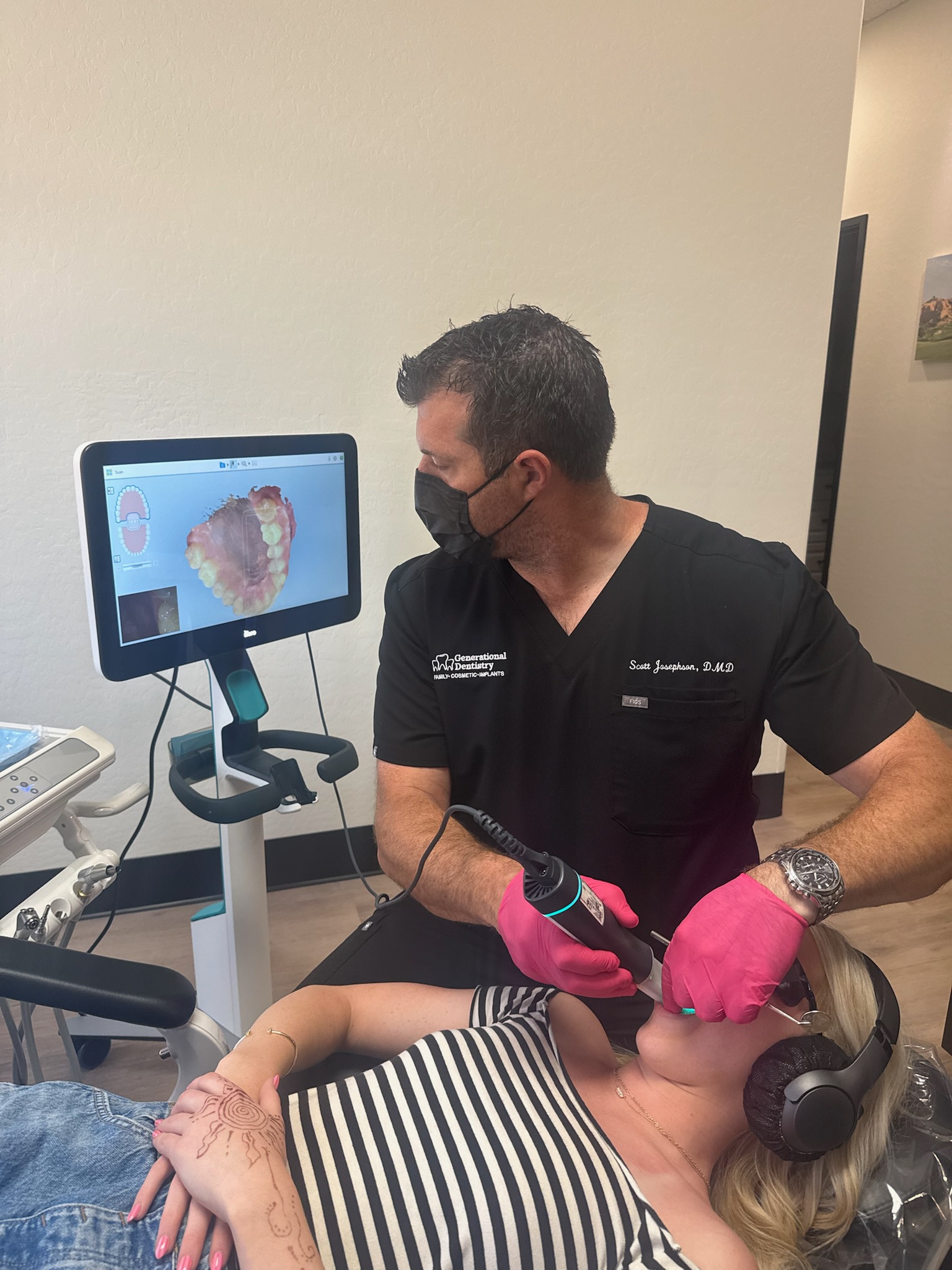
Relieve Tooth Pain While Preserving Your Natural Smile
Persistent tooth pain, sensitivity, or swelling may indicate infection inside a tooth. Root canal therapy clears damaged or infected pulp, cleans and shapes the canals, and seals the internal space while preserving the outer tooth structure and roots.
At Generational Dentistry, we provide root canal treatment in Mesa, AZ, with a calm, patient-centered approach. Modern techniques, digital imaging, and local anesthesia help make care more comfortable than many patients expect. Root canal therapy also has a high success rate when the tooth is properly restored and maintained. Dr. Scott Josephson explains the diagnosis, answers questions, and discusses whether the tooth can be preserved. After endodontic treatment, a filling or dental crown may restore function and protect the remaining structure.
What Is Root Canal Therapy?
Every natural tooth contains dental pulp within a central chamber and narrow root canals. This tissue includes nerves, blood vessels, and connective tissue that support the tooth during development. A mature tooth can continue to function after the inflamed or infected pulp is removed.
Root canal therapy, also called endodontic treatment, cleans and seals these internal spaces while leaving the roots in the jaw. Unlike an extraction, the procedure preserves the natural tooth and maintains its position within your bite. Root canal care may be considered when the tooth has enough healthy structure and bone support.

Advanced Care with a Gentle Touch
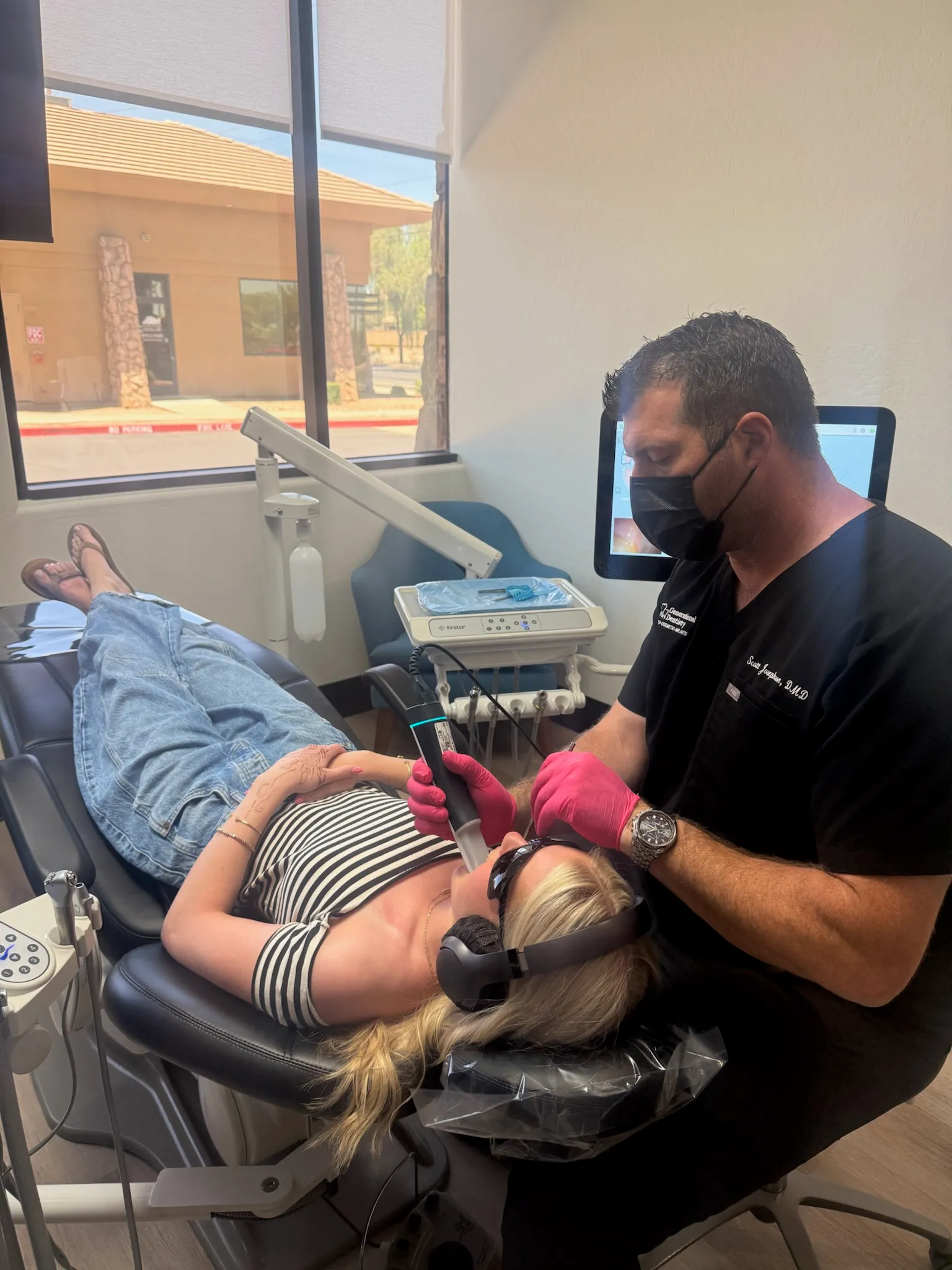
We invest in the latest dental technology to provide you with more comfortable, efficient, and precise treatments.

When Might You Need a Root Canal?
Dental pulp can become inflamed or infected when bacteria enter through deep decay, a crack, or a damaged filling. Trauma can also injure the pulp without visible damage.
Possible warning signs include:
- Persistent or severe tooth pain
- Pain when biting or chewing
- Lingering sensitivity to heat or cold
- Gum swelling, tenderness, or an abscess
- Tooth darkening or discoloration
- A chipped or cracked tooth
- Deep decay
- Facial or jaw swelling
Some teeth cause no pain, and changes may appear only on digital X-rays. An examination can determine whether tooth infection treatment is needed. Contact an emergency dentist if swelling occurs with fever or difficulty swallowing. Trouble breathing requires immediate medical attention.
What Happens Before, During, and After a Root Canal?
Knowing what to expect can make the appointment feel more manageable. Dr. Josephson will explain each stage and give you opportunities to ask questions.
Diagnosis and Digital Imaging
The visit begins with a review of your symptoms and dental history. Dr. Josephson examines the tooth and surrounding gums and may conduct sensitivity or biting tests. Digital X-rays help show the roots, nearby bone, deep decay, and changes that may indicate infection.
The evaluation also determines whether the tooth has enough structure and bone support to remain functional after care. If a crack extends too deeply or the tooth cannot support a restoration, extraction may need to be considered.
Local Anesthesia and Tooth Access
Local anesthesia numbs the tooth and surrounding tissues. Once the area is numb, the dentist creates a small opening in the tooth to reach the pulp chamber and root canals. A protective sheet may be placed around the tooth to keep the working area clean and dry.
Cleaning and Shaping the Canals
Small dental instruments are used to clear inflamed or infected pulp from the chamber and canals. The internal spaces are then cleaned, disinfected, and shaped. This stage addresses the source of the toothache and supports tooth pain relief as the tissues around the root begin to settle.
Filling and Sealing the Tooth
After cleaning, the canals are filled with a biocompatible dental material and sealed. A temporary or final filling closes the access opening, depending on the restoration planned for the tooth.
Placing the Final Restoration
Some teeth require a dental crown after root canal therapy, particularly back teeth or teeth that have lost substantial structure. The crown surrounds the visible portion of the tooth and helps it withstand chewing forces. Other teeth may be restored with a filling, depending on their location and condition.

Why Save a Natural Tooth?
Saving a natural tooth helps maintain chewing, bite alignment, and spacing while keeping the roots within the jaw. A tooth extraction leaves a gap that may allow neighboring teeth to shift and require replacement with a bridge or implant. These options involve additional procedures and planning. When preservation is clinically reasonable, root canal therapy allows the tooth to remain in place. Dr. Josephson will explain whether root canal care or extraction is appropriate for its condition.
What Are the Benefits of Root Canal Treatment?
Root canal therapy may:
- Preserve a natural tooth that might otherwise be lost
- Address inflammation or infection inside the tooth
- Relieve pain associated with an infected pulp or abscess
- Restore comfortable biting after healing
- Maintain tooth spacing and bite alignment
- Reduce the need for tooth replacement
- Support long-term function when followed by an appropriate restoration
What Can You Expect During Recovery?
Your mouth may remain numb for several hours. Avoid chewing until normal sensation returns to prevent biting your cheek, lip, or tongue. Mild tenderness or sensitivity may last several days, especially when biting, but should gradually improve. Follow the dental team’s instructions and use medications as directed.
During recovery:
- Brush and floss carefully.
- Avoid hard or sticky foods on that side.
- Limit pressure on temporary filling or crown.
- Return for the final restoration as recommended.
- Continue routine examinations and cleanings.
- Call if pain or swelling worsens.
After final restoration, daily brushing, flossing, and regular visits support long-term oral health.
.webp)
Common Misconceptions About Root Canals
“Root canals are extremely painful.”
Root canal therapy is performed with local anesthesia to limit discomfort. Patients often seek care because an infected tooth is already painful. The procedure addresses the source of that pain, although temporary tenderness may occur afterward.
“The roots are taken out.”
The roots remain in the jaw. The dentist clears the affected pulp from the chamber and canals inside the tooth, then fills and seals those spaces.
“Extraction is faster and easier.”
Extraction may be necessary when a tooth cannot be preserved, but it leaves a space that may require a bridge, implant, or another replacement. Comparing the full process, including tooth replacement, provides a clearer picture of the time and care involved.
“A tooth without pain does not need care.”
Pulp damage or a dental infection does not always cause noticeable symptoms. Digital imaging and clinical tests may reveal changes before pain begins.
Frequently Asked Questions About Root Canal Treatment
How long does a root canal appointment take?
Appointment length depends on the tooth, number of canals, infection, and complexity. Some root canals can be completed in one visit, while others require more than one appointment. Dr. Josephson will explain the expected timeline after evaluating the tooth.
Will I need a crown after root canal therapy?
Many back teeth need dental crowns because they absorb substantial chewing pressure and may have already lost considerable structure. Front teeth may sometimes be restored with fillings. The recommendation depends on the tooth’s location and condition.
Can a root canal fail?
A tooth can occasionally remain infected or develop a new problem after root canal care. Complex anatomy, a new crack, recurrent decay, or a damaged restoration may contribute. Further evaluation can determine whether additional endodontic care or another approach may preserve the tooth.
How long can a root canal-treated tooth last?
A properly restored tooth can remain functional for many years. Longevity depends on the final restoration, oral hygiene, gum and bone health, bite forces, and whether new decay or damage develops.
What happens if I delay care?
Delaying care may allow inflammation or infection to progress, leading to increased pain, swelling, an abscess, or loss of supporting bone. The tooth may eventually become more difficult to preserve. Seek prompt dental guidance if you have persistent pain or swelling.
Common Misconceptions About Root Canals
“Root canals are extremely painful.”
Pulp damage or a dental infection does not always cause noticeable symptoms. Digital imaging and clinical tests may reveal changes before pain begins.
Root canal therapy is performed with local anesthesia to limit discomfort. Patients often seek care because an infected tooth is already painful. The procedure addresses the source of that pain, although temporary tenderness may occur afterward.
“A tooth without pain does not need care.”
“The roots are taken out.”
Extraction may be necessary when a tooth cannot be preserved, but it leaves a space that may require a bridge, implant, or another replacement. Comparing the full process, including tooth replacement, provides a clearer picture of the time and care involved.
The roots remain in the jaw. The dentist clears the affected pulp from the chamber and canals inside the tooth, then fills and seals those spaces.
“Extraction is faster and easier.”




.webp)
.webp)

Visit Our Office

Ready to Schedule
Your Visit?
Join our family of patients and experience the difference of truly personalized dental care.